Roof Replacement and Roof Repair: Choosing the Right Roofing Company
Your roof is one of the most important parts of your home, protecting it from harsh weather, leaks, and structural damage. Whether you need a roof replacement or roof repair, hiring a professional roofing company ensures quality workmanship and long-lasting results. Understanding the differences between repair and replacement will help you make the best decision for your home’s safety and value.
Roof Repair vs. Roof Replacement: What’s Best for Your Home?
The condition of your roof determines whether you need a roof repair or a complete roof replacement. Here’s how to tell the difference:
✔ Roof Repair – Ideal for minor damage, such as missing shingles, small leaks, or localized wear and tear.
✔ Roof Replacement – Necessary for extensive damage, aging roofs, or when repairs are no longer cost-effective.
Signs You Need Roof Repair
If your roof has minor damage, a professional roofing company can fix the issue quickly. Common signs that you need roof repair include:
Missing or Damaged Shingles – Cracked, curling, or missing shingles can lead to leaks.
Small Leaks or Water Stains – If you notice water stains on your ceiling or attic, your roof may have a minor leak.
Flashing Issues – Damaged flashing around chimneys, skylights, or vents can cause water intrusion.
Sagging Gutters – Improper drainage can lead to water damage on your roof and walls.
A timely roof repair can prevent costly damage and extend the lifespan of your roof.
When to Consider Roof Replacement
A full roof replacement is recommended when:
Your Roof is Over 20 Years Old – Most roofing materials have a lifespan of 20-30 years.
Multiple Leaks & Extensive Damage – Widespread leaks, rotting wood, or structural issues require a complete replacement.
Frequent Repairs – If you’re constantly repairing your roof, a replacement may be more cost-effective.
Storm or Hail Damage – Severe weather can weaken your roof’s structure, making replacement the safest option.
Why Hire a Professional Roofing Company?
Choosing an experienced roofing company ensures your roof repair or roof replacement is done right the first time. Benefits of hiring professionals include:
✔ Expert Assessment – A professional roofer can determine whether you need repairs or a full replacement.
✔ High-Quality Materials – Professional roofing companies use durable materials to increase your roof’s longevity.
✔ Proper Installation – Experienced roofers follow industry standards to prevent future issues.
✔ Warranty Protection – Many roofing companies offer warranties on labor and materials.
Choosing the Right Roofing Company
When looking for a roofing company, consider the following:
Licensed & Insured – Ensure they have proper licensing and insurance coverage.
Experience & Reputation – Check online reviews and ask for references.
Detailed Estimates – A trustworthy roofer provides transparent pricing and a written contract.
Warranty & Guarantees – Choose a company that offers workmanship and material warranties.
Conclusion
Whether you need roof repair for minor issues or a full roof replacement, hiring a reliable roofing company ensures your home stays protected for years to come. Regular inspections, quality materials, and professional installation make all the difference in maintaining a strong and durable roof. If you’re experiencing roof problems, don’t wait—consult a professional roofing company today!
The Swift Destruction of Water Damage: A Homeowner’s Guide to Prevention
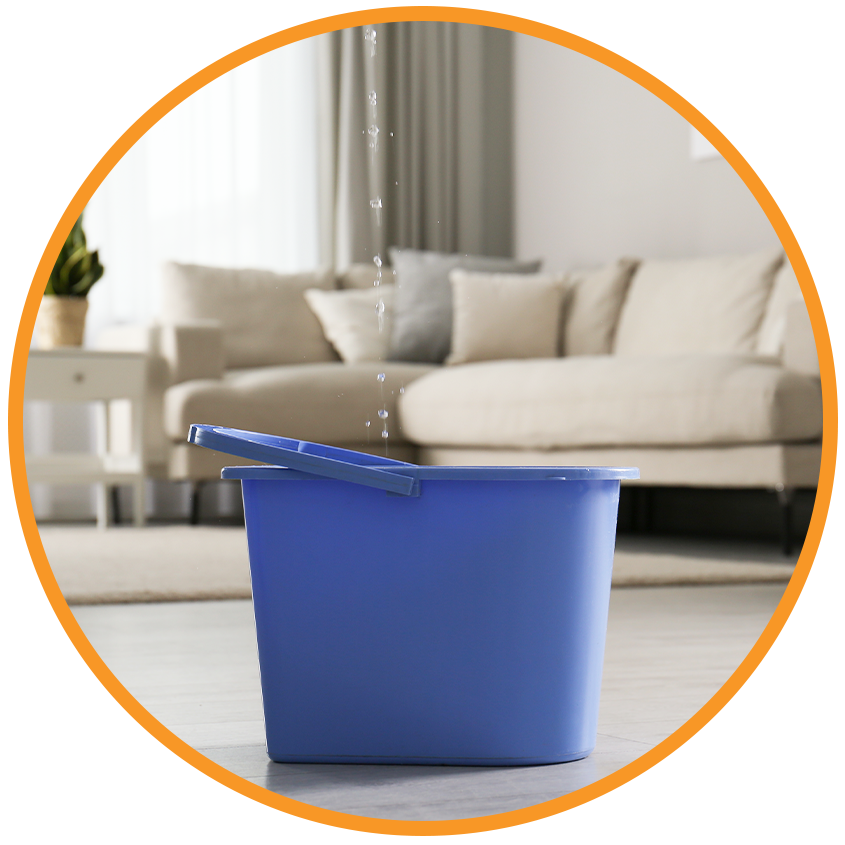
The Swift Destruction of Water Damage: A Homeowner’s Guide to Prevention
Water damage can have devastating effects on a home, causing not only structural issues but also health hazards due to mold and mildew. The crucial element in protecting your home lies in understanding how quickly water can inflict damage and implementing effective water damage prevention strategies. This comprehensive guide will provide insight into the rapid consequences of water damage and detailed steps to safeguard your home. Regular humidity control can help identify areas vulnerable to water damage before serious issues arise.
The Urgency of Water Damage: How Fast Can It Happen?
Time is of the essence when dealing with water damage. Understanding the timeline of how quickly water can cause issues can help homeowners act swiftly to minimize damage. One of the most crucial aspects of water safety is maintaining proper ventilation throughout your home.
The Speed at Which Water Causes Damage
Different materials absorb water at various speeds, impacting how quickly damage manifests. Here’s a look at the damage timeline:
Wood: Begins to swell and warp within 24 to 48 hours of exposure. Extended exposure can lead to deterioration and structural weakness.
Drywall: Can become compromised in a matter of hours, especially in areas of consistent leakage or flooding.
Carpet: Moisture can lead to mold within 24 to 48 hours, posing a health danger to inhabitants.
Common Sources of Water Damage
Identifying potential sources of water damage is fundamental to effective water damage prevention. Here are a few:
Broken Pipes: One of the leading causes of water damage. Regular inspections can help detect leaks early.
Roof Leaks: Weather variations can lead to shingles lifting and water entry.
Overflowing Appliances: Washing machines and dishwashers can malfunction, causing spills.
Flooding: Hurricanes or heavy rains can quickly overwhelm drainage systems, leading to extensive water intrusion.
Environmental Factors Influencing Water Damage
The environment in which your home exists can also affect how quickly water causes damage. Key factors to consider include:
Humidity Levels
High Humidity: Elevated moisture levels can accelerate water absorption in building materials, increasing the risk of mold growth.
Ventilation: Proper ventilation helps control indoor humidity, making it easier to manage moisture levels.
Temperature
- Warm Environments: Warm conditions can cause water to evaporate quickly, contributing to a cycle of moisture retention and damage if not managed properly.
Effective Water Damage Prevention Techniques
Forethought and preparedness can be your allies in water damage prevention. Here are some strategies to keep your home dry and safe:
Routine Maintenance
Inspect Plumbing: Regularly check pipes and plumbing fixtures for wear and leaks.
Clean Gutters: Ensure gutters and downspouts are free from blockages to prevent water overflow.
Check the Roof: Inspect for missing or damaged shingles and ensure proper sealing around chimneys and vents.
Install Water Detectors
Early Warning Systems: Consider placing water detectors near potential trouble spots like appliances and basements. These small devices can alert you to leaks before they escalate.
Smart Technology: Invest in smart home systems that can notify you via your smartphone in case of water intrusion.
Create an Emergency Response Plan
Know Key Contacts: Having the contact information of plumbers and restoration professionals readily available can expedite your response.
Educate Family Members: Ensure that everyone in your household knows how to respond in case of a water emergency, including shutting off the main water supply.
Frequently Asked Questions About Water Damage Prevention
How quickly can water damage occur?
Water damage can start within a few hours, depending on the source and materials involved. Areas like carpets and drywall are particularly vulnerable within the first 24 to 48 hours.
What are the signs of water damage in my home?
Common signs include stained walls or ceilings, a musty odor, peeling paint, and mold growth. Early detection is crucial for effective water damage prevention.
How can I tell if my home is at risk?
Consider factors such as the age of plumbing, history of leaks, climate conditions, and proximity to flood zones. Regular inspections can help you identify vulnerabilities.
What should I do if I experience water damage?
Act immediately by shutting off the water supply, moving valuables to a dry area, and contacting a professional restoration service to address the damage swiftly.
How can I prevent mold after water damage?
To prevent mold, dry affected areas within 24 hours. Use dehumidifiers and fans and ensure proper ventilation to eliminate moisture.
Conclusion: The Importance of Water Damage Prevention
Water damage prevention should be a top priority for all homeowners, as it can lead to serious issues that not only harm your property but also pose health risks to your family. Understanding the speed at which water can cause damage is crucial; even small leaks can escalate quickly into major problems if not addressed promptly. Your approach to home maintenance should include regular checks and timely responses to any signs of damage.
One of the most effective strategies for preventing water damage is regular maintenance. This includes inspecting your roof for leaks, ensuring that gutters and downspouts are clear of debris, and checking plumbing fixtures for any signs of wear or leaks. Additionally, it’s wise to keep an eye on areas prone to moisture, such as basements and bathrooms, and to invest in quality waterproofing solutions.
Implementing a comprehensive plan for water damage prevention also involves educating yourself and your family about the risks. Knowing the signs of potential water damage can empower you to take immediate action—whether that means turning off the water supply or calling in a professional to assess the situation.
Prompt action is critical. If you notice water pooling in places it shouldn’t, or if you smell dampness and mildew, address these issues as soon as possible. The sooner you act, the less likely you are to experience extensive damage that could lead to costly repairs and disruptions.
Staying vigilant and proactive is key to safeguarding your home from the dangers of water damage. Engage in regular property assessments, invest in water detection systems where necessary, and create an emergency response plan for potential flooding events. By taking these steps, you not only protect your investment but also enhance the health and safety of your living environment.
The Ultimate Guide to Carpet Cleaning: Keep Your Home Fresh and Healthy

The Ultimate Guide to Carpet Cleaning: Keep Your Home Fresh and Healthy
Carpets add warmth, comfort, and elegance to our homes, but they also act as magnets for dust, allergens, and bacteria. Professional vacuum regularly ensures a deep, thorough clean that regular vacuuming can’t achieve. Whether you have children, pets, or frequent visitors, a proper cleaning routine ensures your carpets stay fresh, durable, and free from harmful contaminants.
Why Carpet Cleaning Is Essential for a Healthy Home
As a natural air filter, carpets are able to capture allergens and particles that are in the air. These toxins will accumulate if you do not do routine maintenance, which will hurt your health and will limit the lifespan of your carpet. The following is a list of the most important reasons why it is important to maintain a regular carpet cleaning schedule.
Improves Indoor Air Quality
- Traps dust, pet dander, pollen, and bacteria
- Reducing allergens that cause respiratory issues
- Elimination of embedded pollutants through professional deep cleaning
Prevents Mold and Bacteria Growth
- Moisture from spills or humidity encourages mold and bacterial growth
- Mold spores trigger allergies and respiratory problems
- Steam cleaning removes moisture and disinfects fibers
Extends the Life of Your Carpet
- Dirt and debris wear down carpet fibers over time
- Regular cleaning preserves the texture and durability
- Prevents premature replacements, saving you money
Effective Carpet Cleaning Strategies for Long-Lasting Freshness
Keeping carpets in top condition requires a mix of daily care and periodic deep cleaning. Using the right equipment for carpet cleaning can help extend the lifespan of your carpets. Here are the best strategies to maintain cleanliness.
Vacuuming: The First Line of Defense
- Vacuum high-traffic areas twice a week
- Use a HEPA-filter vacuum for improved air quality
- Don’t forget edges and under furniture
Professional Deep Cleaning: A Must for Every Home
- Schedule steam cleaning (hot water extraction) every 6-12 months
- Dry carpet cleaning is a great alternative for moisture-sensitive materials
- Professionals remove deep-seated dirt and allergens effectively
Spot Cleaning: Immediate Action Saves Your Carpet
- Blot spills instead of scrubbing to prevent fiber damage
- Use a mild carpet cleaner or natural solutions like vinegar and baking soda
- Address stains immediately to prevent permanent discoloration
Additional Carpet Cleaning Tips for Maximum Hygiene
DIY Carpet Freshening
If you want to maintain the fresh scent of your carpets in between deep cleanings, try these simple solutions:
- Sprinkle baking soda over the carpet, let sit for 15 minutes, then vacuum
- Add a few drops of essential oil to baking soda before sprinkling for a pleasant scent
Pet-Friendly Cleaning Methods
If you have furry friends, consider these cleaning techniques:
- Use enzyme-based cleaners for pet stains and odors
- Brush carpets regularly to remove pet hair and dander
- Steam clean more frequently to maintain hygiene
Preventive Measures to Keep Carpets Cleaner Longer
- Place doormats at entrances to trap dirt
- Implement a no-shoes policy indoors
- Rotate furniture periodically to prevent uneven wear
Frequently Asked Questions (FAQ)
How often should I deep clean my carpets?
For most homes, a professional deep clean every 6-12 months is recommended. Homes with pets, children, or allergy sufferers may need more frequent cleaning.
Is steam cleaning safe for all carpets?
While steam cleaning is an effective approach for cleaning most carpets, other processes, such as dry cleaning, may be necessary for cleaning more sensitive fabrics, such as wool. Always check manufacturer recommendations.
Can I use household products for carpet stains?
Yes! White vinegar and baking soda work well for mild stains. However, avoid harsh chemicals that may damage carpet fibers.
What’s the best way to remove pet odors from carpets?
Enzyme-based cleaners are the best for breaking down pet-related odors. Regular vacuuming and steam cleaning also help maintain freshness.
Does vacuuming replace professional carpet cleaning?
No, vacuuming only removes surface dirt. Deep cleaning eliminates embedded grime, allergens, and bacteria, providing a more thorough cleanse.
A Clean Carpet, A Healthier Home
Carpet cleaning goes beyond aesthetics—it’s a vital practice for a healthier living space. Regular vacuuming, prompt stain removal, and professional deep cleaning ensure your carpets remain fresh, durable, and allergen-free. By implementing these strategies, you can enjoy a cleaner, fresher, and more hygienic home environment. For optimal carpet health, professional deep cleaning should be scheduled at least once a year.
Your Ultimate Guide to March Madness in NCAA Men’s Basketball
Every spring, college basketball fans across the country—and even beyond—find themselves glued to their screens, poring over brackets, debating matchups, and living for the upsets. This annual obsession? It’s none other than March Madness—a spectacle that transforms even the most casual sports watchers into full-fledged basketball enthusiasts.
Whether you’re a die-hard fan or a newcomer to the madness, this guide will walk you through everything you need to know about one of the most exciting events in college sports.
What is March Madness?
March Madness, officially known as the NCAA Men’s Basketball Tournament, is a high-stakes, single-elimination competition that showcases the top 68 college basketball teams in the nation. The tournament runs for three electrifying weeks, with teams battling their way through multiple rounds, culminating in the prestigious Final Four and, ultimately, the National Championship game.
For many, this tournament is the equivalent of the Super Bowl—but instead of just one game, it’s a gauntlet of unpredictable matchups, last-second heroics, and emotional highs and lows. It’s an event that brings together student-athletes, alumni, and sports lovers alike, all rallying behind their favorite teams in pursuit of championship glory.
The Madness in March Madness: What Makes It So Unpredictable?
So why do we call it Madness? Because unlike other tournaments where the best teams consistently dominate, the NCAA Tournament thrives on chaos. A No. 1 seed can be sent home by an overlooked No. 16 seed (as we saw with UMBC’s historic upset over Virginia in 2018). A last-second shot can turn heartbreak into euphoria. A school few people have ever heard of can suddenly become the Cinderella story of the year.
The madness is fueled by:
- The single-elimination format – One bad game, and your championship hopes are gone.
- Cinderella teams – Small, lesser-known schools that rise to the occasion and take down powerhouses.
- Buzzer-beaters & upsets – Games often come down to the final seconds, making every shot a potential history-maker.
It’s this unpredictability that keeps fans on the edge of their seats, year after year.
In the Heart of the Action: The Road to the NCAA Championship
From the First Four to the Final Four, every step of the tournament is packed with drama. Here’s how it all unfolds:
- Selection Sunday: The official bracket is announced, setting the stage for all the matchups.
- First Four: Four teams face off in play-in games to secure a spot in the official 64-team bracket.
- First & Second Rounds: Teams begin their journey, and this is where upsets and Cinderella stories often emerge.
- Sweet 16 & Elite 8: The competition intensifies as only the best of the best remain.
- Final Four: The last four teams battle it out for a chance to play for the national title.
- The Championship Game: A winner is crowned in what is often a nail-biting, unforgettable showdown.
While the players on the court are battling for a title, fans are experiencing an emotional roller coaster, watching their teams rise or fall on the grandest stage of college basketball.
The Art of Predicting: March Madness Brackets
If there’s one tradition that unites all fans—whether they’ve watched every game of the season or are just here for the hype—it’s filling out a March Madness bracket.
This challenge involves predicting the winner of every game from start to finish. But be warned: crafting a perfect bracket is nearly impossible. In fact, the odds of guessing every game correctly are roughly 1 in 9.2 quintillion—which means you’re more likely to win the lottery multiple times than to predict a flawless bracket.
Still, that doesn’t stop millions from trying! Strategies include:
- Analyzing team stats and performance trends
- Betting on a few upsets (but not too many!)
- Taking a chance on a Cinderella team
- Trusting your gut (or, as some do, picking based on mascots and school colors!)
Regardless of strategy, filling out a bracket makes every game more exciting. Even if your predictions don’t hold up, the journey itself is the real fun.
The March Madness Roller Coaster
March Madness is more than just a basketball tournament. It’s a cultural phenomenon. It brings together passionate students, alumni, and casual fans alike, all experiencing the thrill of victory and the agony of defeat. It’s about school pride, unforgettable moments, and witnessing underdogs etch their names into sports history.
From dramatic upsets to championship glory, March Madness is the ultimate test of skill, strategy, and sheer willpower. If you haven’t been hooked yet, just wait—this might be the year you join the madness.
So, are you ready to experience the wildest ride in college sports? Strap in—March is coming, and with it, the madness begins.
Are your Fire Doors really fit for protecting your building?
Most property owners and business owners have a lawful responsibility to ensure their properties, and the people that use them, are suitably safeguarded against fire. From routine maintenance to fire risk appraisals, it is critical to ensure fire safety measures are taken seriously. Get in touch with us here Fire Door Inspection
Fire doors have a crucial function in the fire security of a property. They are made to prevent the spread of smoke, fire and toxic gases in the event of a fire. Fire resistant doors are different to normal doors, in that they are specifically created and tested to give fire resistant qualities. Need Fire Risk Assessment
Normally, fire doors are made of hardwood or metal.
Exactly Why are Fire Doors critical?
There are 2 primary benefits of fire safety doors:
Enhanced Safety: Fire doors allow for quick evacuation of individuals and their possessions, and to allow the fire service to fight a fire.
Reduced Damage: Fire doors decrease the rate of fire damages to a property.
The minimum period fire doors can withstand fire is 20 minutes.
More than just the door
A top quality fire rated door is only as efficient as its installation. When choosing a fire door company, you need to ensure the installer has the specifications needed and an experienced professional will help to guide you in making a sound buying decision.
Are your Fire Doors fit for purpose?
Fire doors are only effective if they are serviced to the highest standards and are fit to perform their intended functionality in the event of a fire outbreak. To make sure the safety and security of a building’s occupants, you must regularly inspect all fire doors.
Although your fire doors really need to be examined regularly by a fire safety professional, your business also has a duty to check for any faults and damage on a more routine basis.
Did you know 53% of people do not know how to identify a bogus fire door? Find Out more from Fire Risk Assessment
Carpet Maintenance: Keep Your Floors Fresh Year-Round
Carpet Maintenance: Keep Your Floors Fresh Year-Round
Regular home cleaning helps prevent dirt buildup and extends the lifespan of your carpets. Without proper carpet maintenance, dirt, spills, and everyday wear can take a toll, making carpets look dull and worn. Let us discover practical tips and expert advice on how to keep your carpets in pristine condition all year round.
The Power of Regular Vacuuming
Vacuuming is the first step in effective carpet maintenance, preventing dirt from settling deep into fibers and preserving the carpet’s freshness.
How Often Should You Vacuum?
- High-traffic areas: At least twice a week
- Low-traffic areas: Once a week
- Homes with pets: Three to four times a week
- Allergy sufferers: Daily vacuuming recommended
Vacuuming Best Practices
- Use a HEPA-filter vacuum to trap fine dust and allergens.
- Opt for a slow and steady pace to pick up embedded dirt.
- Adjust the vacuum height setting based on carpet thickness.
- Empty or replace the vacuum bag/canister regularly.
Stain Removal: Acting Fast Matters
Spills and stains are inevitable, but quick action can prevent long-term damage.
Do’s and Don’ts of Stain Removal
Do:
- Blot the spill with a clean cloth to absorb excess liquid.
- Use cold water to rinse before applying a cleaning solution.
- Test any cleaning agent on a hidden section first.
- Use a mild dish soap solution for general stains.
Don’t:
- Rub the stain, as it pushes it deeper into the fibers.
- Use hot water on protein-based stains like blood or milk.
- Over-saturate the carpet, which can cause mold growth.
Common Stain Solutions
- Red wine: Club soda or a mixture of hydrogen peroxide and dish soap.
- Coffee: A blend of vinegar, water, and mild detergent.
- Pet accidents: Enzymatic cleaners to break down odor-causing bacteria.
Deep Cleaning: A Must for Long-Term Carpet Maintenance
Even with regular vacuuming and spot cleaning, carpets require deep cleaning to remove embedded dirt and allergens. With the right carpet care, even the toughest stains can be removed effectively.
Professional vs. DIY Carpet Cleaning
Professional Cleaning:
- Recommended every 12 to 18 months.
- Uses hot water extraction for deep sanitization.
- Ideal for tough stains and high-traffic areas.
DIY Cleaning:
- Rental carpet cleaners offer affordability.
- Use a carpet shampooer with the correct cleaning solution.
- Dry carpets thoroughly to prevent mold growth.
Preventative Measures: Keeping Dirt at Bay
Taking proactive steps can minimize dirt accumulation and extend carpet lifespan.
Practical Tips for Preventing Dirt Buildup
- Place doormats at every entrance to trap dirt before it reaches the carpet.
- Enforce a no-shoes policy indoors to reduce grime and bacteria.
- Rotate furniture to distribute wear evenly.
- Use area rugs in high-traffic zones for added protection.
Tackling Pet-Related Carpet Challenges
Pets bring joy but also present unique carpet maintenance challenges.
Keeping Carpets Clean with Pets
- Brush and bathe pets regularly to reduce shedding.
- Invest in a high-quality pet vacuum with strong suction power.
- Use baking soda to absorb pet odors before vacuuming.
- Clean pet stains immediately with enzyme-based cleaners.
Carpet Maintenance Checklist
Daily:
- Spot clean spills as they occur.
- Quick vacuum in high-traffic areas.
Weekly:
- Thorough vacuuming throughout the house.
- Check for and address any new stains.
Monthly:
- Fluff and rotate rugs to distribute wear.
- Deep vacuum with attachments for corners and edges.
Annually:
- Schedule professional carpet cleaning.
- Apply a carpet protector for added longevity.
FAQ: Carpet Maintenance Questions Answered
How can I make my carpet last longer?
Routine vacuuming, stain treatment, and periodic deep cleaning are essential. Additionally, minimizing direct sunlight exposure prevents fading.
What’s the best way to remove deep-set stains?
Using a combination of hydrogen peroxide and dish soap can lift stubborn stains. Let it sit for 10-15 minutes before blotting.
Can I steam clean my carpet at home?
Yes! Renting or purchasing a steam cleaner can effectively remove dirt and allergens. Ensure the carpet dries completely afterward.
How do I get rid of musty carpet odors?
Sprinkle baking soda generously over the carpet, let it sit for at least 15 minutes, then vacuum it up.
Is professional carpet cleaning worth it?
Absolutely. Professionals use high-powered equipment that cleans deeper than standard vacuums and DIY methods, prolonging carpet life.
To keep your carpets looking new, follow a consistent deep cleaning routine, you can enjoy fresh, clean, and long-lasting carpets in your home. Implementing these strategies will not only enhance your home’s aesthetics but also promote a healthier indoor environment.
Discovering the Power of a StoryBrand Firm for Your Business
Have you ever before felt that your advertising and marketing initiatives fall flat? Maybe your messaging isn’t reverberating with possible customers, or you struggle to clarify the worth of your product and services. In an increasingly congested marketplace, attracting attention can be difficult. This is where a StoryBrand agency can be found in– a video game changer in the advertising and marketing globe that concentrates on clear messaging to help companies get in touch with their target markets successfully. In this article, we will explore what a StoryBrand agency is, exactly how it can benefit your organization, and the essential elements that make it effective.
What Is a StoryBrand Company?
Definition and Introduction
A StoryBrand agency utilizes the concepts laid out by Donald Miller in his publication ” Structure a StoryBrand.” This approach utilizes a narrative framework to clear up a company’s message and create appealing advertising products. The key facility centers around positioning the consumer at the heart of your tale while placing your brand as their helpful guide.
Benefits of Collaborating With a StoryBrand Firm
Quality in Messaging: One significant benefit of employing a StoryBrand agency is the clarity it offers your messaging. By utilizing storytelling components, your target market can grasp not only what you use yet likewise why it matters to them. This clearness results in effective advertising and marketing projects and decreases confusion for potential clients.
Enhanced Consumer Involvement: A well-crafted story resonates much deeper than a list of functions ever before could. It produces an emotional bond, making consumers most likely to involve with your brand name. A StoryBrand company knows how to tap into these emotional triggers to keep consumers invested in your story.
Increased Conversions: Storytelling techniques can transform exactly how prospective customers regard your brand name by outlining a clear pathway for them. When customers understand how your solutions fit their requirements and just how they can be the heroes of their very own tales, they’re more likely to purchase.
Regular Branding Throughout Platforms: A StoryBrand company creates a cohesive story that translates across all marketing platforms– your internet site, social networks, e-mails, and ads. This consistency strengthens your message and aids construct brand acknowledgment, which is important for bring in and retaining customers.
Crucial Element of StoryBrand Advertising And Marketing
Understanding how a StoryBrand firm runs calls for knowledge with the essential elements of the StoryBrand framework:
Character: Your consumer is the hero. Plainly specify that they are and what they want to tailor your advertising and marketing to their demands.
Trouble: Determine the primary issue your client faces, breaking it into outside, interior, and philosophical elements.
Guide: Your brand is the overview, giving the tools clients need to get rid of challenges. Program empathy and authority to establish depend on.
Plan: Create a straightforward, actionable plan for consumers to follow to accomplish success with your product or service.
Contact us to Action: Every tale has a phone call to action– make your calls clear and engaging.
Failure: Highlight the risks entailed and what takes place if consumers don’t take action, developing a sense of urgency.
Picking the Right StoryBrand Firm
Selecting the right company can considerably affect your success. Think about these elements:
Experience and Expertise: Try to find agencies with tried and tested experience in the StoryBrand framework. Testimonial their portfolio and endorsements to assess their performance.
Recognizing of Your Sector: An firm familiar with your field will customize approaches more effectively for your target audience’s demands.
Collaborative Technique: Select an firm that values partnership and functions carefully with you to comprehend your company objectives and target market.
Comprehensive Solutions: Select a StoryBrand agency that provides a complete range of services, making certain regular messaging across all platforms.
Adaptability and Flexibility: A solid agency needs to adjust its techniques based upon your details demands and any type of market modifications.
Verdict
Partnering with a StoryBrand company can transform your advertising and marketing initiatives by supplying clearness and improving consumer engagement. By positioning your consumer at the core of your tale and making use of understanding communication, you’ll cultivate connections that drive service success.
If you have an interest in checking out how storybrand Agency can raise your firm’s strategy, take into consideration teaming up with a StoryBrand agency. Purchasing narration is purchasing the future of your brand name– seize the day to get in touch with your target market on a much deeper degree.
Why Designers Can’t Get Enough of Natural Wood Wall Panels

Why Designers Can’t Get Enough of Natural Wood Wall Panels
In the world of interior design, natural wood wall panels have become an absolute must-have for both homeowners and designers. Whether you’re decorating a modern loft, a comfortable cabin, or a chic office space, wood panels add warmth, sophistication, and a timeless appeal that few other materials can equal. But why are they so popular? Let’s look at why natural wood wall panels are still so popular among modern designers. Many homeowners prefer
for its timeless appeal and durability.
The Irresistible Charm of Natural Wood Wall Panels
Aesthetic Appeal: The Art of Natural Beauty
In terms of interior design, nothing beats the warmth and beauty of natural wood wall panels. Their organic textures, rich grains, and earthy tones provide a welcoming environment that complements any setting.
Why Designers Love the Look:
- Timeless Beauty – Unlike contemporary materials that wane in favor, wood stays fashionable for decades.
- Versatility – Wood panels look great in any design style, from rustic to contemporary.
- Warm and Cozy Feel – Wood creates a sense of warmth that artificial materials struggle to match.
“Wood has the ability to transform a space, adding character and depth effortlessly.”
Acoustic & Thermal Benefits: More Than Just Looks
Beyond aesthetics, natural wood wall panels offer incredible functional benefits that make them a practical choice for designers.
Sound Absorption & Noise Reduction
If you enjoy a quiet and tranquil environment, wood paneling can help. Wood’s porous nature absorbs sound, decreasing echoes and resulting in a peaceful indoor environment.
Insulation & Energy Efficiency
Wood naturally insulates, which helps to manage indoor temperatures. This means warmer winters and cooler summers, reducing energy expenditures while enhancing comfort.
Key benefits:
- Reduces unwanted noise to improve acoustics.
- Keeps room temperature stable by limiting heat loss.
- Increases energy efficiency and reduces utility expenses.
Sustainability: Designing with the Planet in Mind
Eco-Friendly & Renewable
Sustainability is a growing priority in design, and natural wood wall panels are one of the most eco-friendly materials available.
Why Wood is a Green Choice:
- Renewable Resource – Harvesting wood responsibly ensures that forests grow.
- Carbon Storage: Wood absorbs carbon dioxide, which reduces greenhouse gas emissions.
- Biodegradable and recyclable – Unlike synthetic materials, wood decomposes naturally and may be reused.
“Choosing natural wood wall panels means choosing a greener, healthier planet.”
Versatility in Design: Unlimited Possibilities
One of the most significant benefits of natural wood wall panels is their versatility to a variety of design applications. Wood panels are versatile and can be used to create a highlight wall or something more discreet. The acoustic benefits of
make it ideal for peaceful environments.
Creative Ways to Use Wood Paneling
- Statement Walls – Add a dramatic focal point to any room.
- Ceiling Accents – Bring warmth and texture to overhead spaces.
- Built-in Shelving and Furniture – Incorporate wood smoothly into useful designs.
- Half-Wall Paneling: A elegant alternative to full-panel coverage.
The Connection to Nature: Biophilic Design
How Wood Enhances Well-Being
Bringing nature indoors has been shown to lower stress, improve mood, and increase productivity. This is why natural wood wall panels are an important part of biophilic design.
Psychological & Emotional Benefits:
- Creates a soothing environment – Wood’s natural warmth promotes relaxation.
- Fosters a stronger connection to nature – Improves mental health.
- improves focus and productivity – Ideal for offices and creative environments.
“Surrounding yourself with natural elements is an easy way to enhance everyday well-being.”
Common Questions About Natural Wood Wall Panels
Are natural wood wall panels difficult to maintain?
Not at all! They may be kept beautiful for years with occasional cleaning and polishing. Consider a transparent sealant to protect against moisture.
Can wood panels be installed in high-humidity areas like bathrooms?
Yes, however, adequate sealing is necessary to avoid warping and moisture damage. Using treated wood and keeping it ventilated will help it last longer.
Are there budget-friendly wood paneling options?
Absolutely! Reclaimed wood, engineered wood panels, and DIY-friendly peel-and-stick panels are all affordable options that don’t sacrifice design.
Do wood panels work with all interior styles?
Yes! Natural wood wall panels complement a variety of design styles, including modern, rustic, industrial, and classic.
Where can I buy high-quality natural wood wall panels?
Many providers provide a variety of possibilities, including local home improvement stores and specialist online retailers. To achieve the greatest results, always use high-quality, responsibly sourced products.
Why Natural Wood Wall Panels Are a Designer’s Dream
To summarize, natural wood wall panels are a designer’s preferred choice for a variety of reasons.
- They enhance aesthetics with unparalleled warmth and sophistication.
They improve acoustics and insulation, which increases comfort.
They are sustainable, making them an environmentally responsible design option.
- They are extremely versatile, fitting into any design style.
- They promote well-being by developing a connection with nature.
Why Choose Natural Wood Wall Panels?
If you’re looking to upgrade your home or office with a material that is stylish, functional, and environmentally friendly, natural wood wall panels are a perfect choice. Whether for a feature wall or full-room coverage,
offers unmatched versatility.
Custom Concrete Pools: The Ultimate Choice for a Luxury Backyard Oasis
A custom concrete pool is the perfect addition to any backyard, offering durability, flexibility, and a luxurious aesthetic. Unlike prefabricated fiberglass or vinyl pools, concrete pools can be designed in virtually any shape, size, or depth, allowing homeowners to create a unique outdoor retreat tailored to their space and lifestyle. However, building a custom pool is a significant investment, and choosing the right pool builder is essential for a smooth process and long-lasting results.
Benefits of Custom Concrete Pools
- Unlimited Design Options – Concrete pools can be customized to fit any backyard layout, whether you want a sleek, modern infinity pool, a natural lagoon-style retreat, or a geometric lap pool.
- Exceptional Durability – Concrete pools are built to last for decades, withstanding harsh weather conditions and heavy use better than fiberglass or vinyl options.
- High-End Aesthetic – With options like custom tile work, waterfalls, vanishing edges, and built-in spas, concrete pools elevate the look of any outdoor space.
- Increased Property Value – A well-designed pool can boost home value and attract potential buyers if you decide to sell in the future.
- Custom Features – Add-ons like tanning ledges, underwater seating, and integrated lighting allow for a personalized swimming experience.
What to Look for in a Pool Builder
Choosing a reliable and skilled pool builder is crucial to ensure your investment pays off. Here are key factors to consider:
1. Experience and Reputation
- Look for a pool builder with years of experience in constructing custom concrete pools.
- Check online reviews, testimonials, and before-and-after photos of completed projects.
- Ask for referrals from past clients to get firsthand feedback on their work quality and professionalism.
2. Licensing and Certifications
- Ensure the builder is licensed, insured, and certified by industry associations like the Association of Pool & Spa Professionals (APSP) or National Plasterers Council (NPC).
- Confirm that they comply with local building codes and safety regulations.
3. Design and Customization Capabilities
- A good builder should offer 3D renderings or detailed design plans before construction begins.
- They should be able to incorporate custom features such as waterfalls, LED lighting, swim-up bars, and automation systems.
4. Quality of Materials and Construction Techniques
- Ask about the type of concrete mix, reinforcement methods, and finishing materials they use.
- High-quality finishes like pebble, tile, or quartz can enhance durability and aesthetics.
5. Transparent Pricing and Contract Terms
- Get a detailed estimate that outlines costs for excavation, materials, labor, permits, and additional features.
- Ensure there are no hidden fees and that the contract includes a clear timeline for completion.
6. Warranty and Maintenance Services
- A reputable builder should offer a solid warranty on materials and workmanship.
- Some builders provide maintenance plans, which can be beneficial for long-term pool care.
Final Thoughts
Custom Concrete Pools MN is an excellent investment that enhances your outdoor space while providing years of enjoyment. By choosing pool builder MN, you can ensure a seamless construction process and a stunning end result. Take the time to research, ask the right questions, and select a professional who can bring your dream pool to life.
Ultimate Guide to Effective Water Damage Removal
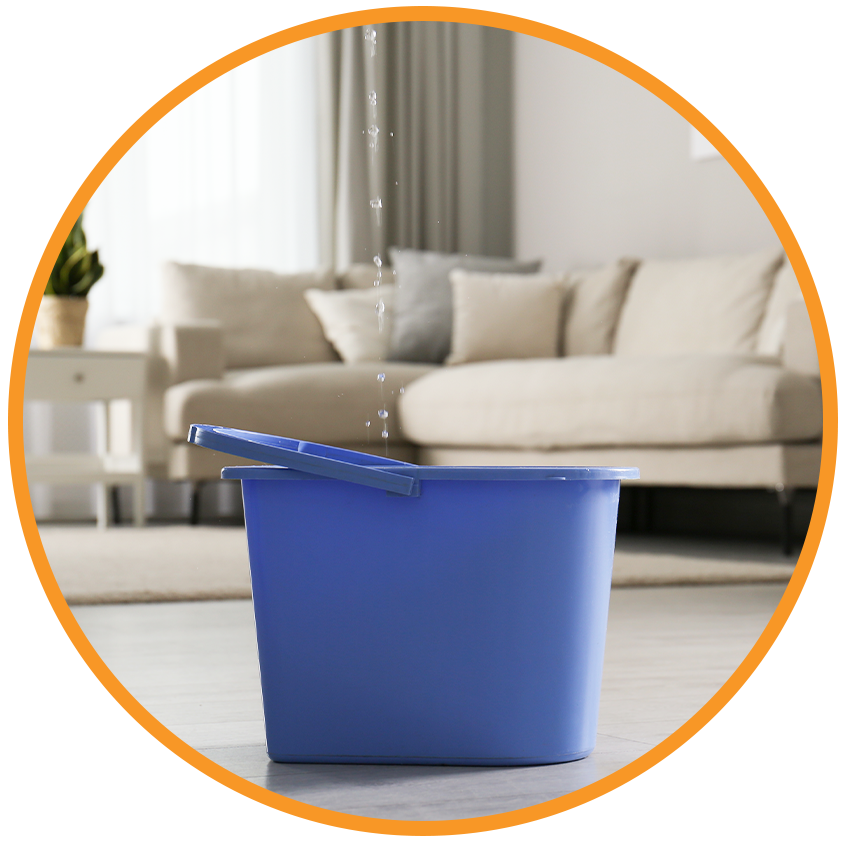
Ultimate Guide to Effective Water Damage Removal
Water damage is a significant threat to the integrity of any property. It can occur suddenly and lead to disastrous consequences if not addressed promptly. Whether the source is a leaky pipe, heavy rainfall, or an appliance malfunction, understanding the water damage removal process is essential to mitigating risks before they escalate. In this unique guide, we will explore the steps involved in water removal and the significant benefits of professional assistance. One of the best strategies for avoiding problems is to regularly inspect your plumbing for extraction process.
What Constitutes Water Damage?
Water damage can take many forms, impacting homes and businesses alike. It can occur suddenly or develop over time and is often classified into three categories: clean water, gray water, and black water. This classification helps determine the appropriate approach for effective water damage removal.
Types of Water Damage
- Clean Water: Originates from a clean source, such as a broken water line.
- Gray Water: Contains a certain level of contamination, often from washing machines or dishwashers.
- Black Water: Highly contaminated water posing severe health risks, such as sewage overflow.
Common Symptoms of Water Damage
- Stains or discoloration on walls or ceilings
- Musty odors indicating mold growth
- Warped flooring or buckled drywall
- Increased mold growth in humid areas
Initial Steps to Take When Water Damage Strikes
Facing water damage can be overwhelming, but quick action can make a significant difference. Follow these steps to help minimize the damage. Many homeowners underestimate the impact of hidden water damage that can arise from poor drainage.
- Stop Water Flow: If a plumbing issue is the cause, turn off the water supply immediately.
- Assess the Damage: Identify affected areas and determine the severity of the situation.
- Document for Insurance: Take photos of the damage to support your insurance claim.
- Remove Personal Belongings: Save any valuables and irreplaceable items from further damage.
The Comprehensive Water Damage Removal Process
Effective water damage removal involves a series of critical steps to restore your home or business to its pre-damaged condition. Each phase is crucial for a thorough and lasting recovery.
Step 1: Extraction of Water
The first and most urgent step involves removing all standing water. This is done using high-capacity pumps and specialized vacuums to ensure thorough extraction. The quicker the water is removed, the less damage there will be overall.
Step 2: Dehumidifying and Drying
Next comes the dehumidification process, which utilizes industrial-strength dehumidifiers and air movers to lower humidity levels and aid in evaporation. Effective drying prevents mold growth and secondary damage.
Step 3: Cleaning and Sanitizing
Post-extraction, affected surfaces need thorough cleaning and sanitization. This eliminates moisture-loving bacteria and mold spores, ensuring that your space is safe and healthy.
Step 4: Restoration
Finally, restoration involves repairing and replacing any damaged materials such as flooring, drywall, or insulation to return your property to its original condition.
Advantages of Professional Water Damage Removal Services
Though DIY methods may seem viable, hiring professionals can save you time, stress, and additional costs. Here are some compelling reasons to consider professional assistance:
- Expert Knowledge: Trained professionals understand the nuances of different types of water damage and approaches to remove it effectively.
- Advanced Equipment: They have access to specialized tools, which greatly enhance efficiency and efficacy in water damage removal.
- Insurance Navigation: Professionals can help guide you through the claims process, advocating for your needs and ensuring you secure your entitlements.
Effective Strategies for Preventing Water Damage
Preventing water damage before it occurs is just as critical as knowing how to manage it afterward. Here are some strategies to reduce your risk:
- Regularly inspect plumbing for leaks and corrosion. Consulting professionals can simplify the process of handling mold growth and ensure thorough cleaning.
- Maintain gutters and drainage systems to prevent overflow and blockage.
- Use water sensors or alarms to alert you to potential leaks or flooding.
- Insulate pipes to protect against freezing in cold temperatures.
Frequently Asked Questions (FAQ)
Q: How quickly should I address water damage?
A: It is crucial to act immediately. The longer you wait, the more extensive the damage can become, increasing the risk of mold growth.
Q: Can I handle water damage removal myself?
A: While minor issues might be managed independently, significant flooding or contamination (e.g., black water) should be left to professionals for safety and health reasons.
Q: How can I tell if my home has hidden water damage?
A: Look for signs such as mold patches, peeling paint, or persistent dampness in areas of your home that can indicate hidden moisture.
Q: What should I do if I suspect mold growth?
A: If you suspect mold, it’s best to contact professionals who specialize in mold remediation alongside water damage removal to address the contamination thoroughly.
In conclusion, effective water damage removal is a multifaceted process requiring prompt and thorough action. By understanding the key steps and benefits of professional services, you can protect your property and ensure a safe
The Importance of Commercial Landscaping and Landscape Maintenance
Commercial landscaping plays a crucial role in shaping the appearance and functionality of business properties. A well-designed and properly maintained landscape not only enhances curb appeal but also creates a welcoming environment for clients, employees, and visitors. However, maintaining a commercial property’s outdoor space requires ongoing care, making landscape maintenance an essential part of the process.
What is Commercial Landscaping?
Commercial landscaping involves the design, installation, and upkeep of outdoor spaces for businesses, office complexes, shopping centers, hotels, and other commercial properties. Unlike residential landscaping, which focuses on personal aesthetics, commercial landscaping is tailored to improve the functionality, safety, and professional appearance of a business’s exterior.
A well-planned commercial landscape includes elements such as:
- Lush Greenery – Trees, shrubs, flowers, and grass to create an inviting atmosphere.
- Hardscaping Features – Pathways, seating areas, fountains, and lighting to enhance usability.
- Sustainable Landscaping – Drought-resistant plants, eco-friendly irrigation, and energy-efficient lighting.
- Seasonal Enhancements – Plants and decorations that reflect changing seasons for a fresh look year-round.
The Role of Landscape Maintenance in Commercial Landscaping
While a beautifully designed landscape adds value to a property, regular landscape maintenance ensures that it remains visually appealing and functional over time. Poor maintenance can lead to overgrown plants, unsightly lawns, and potential safety hazards.
Some key aspects of landscape maintenance include:
Lawn Care & Mowing
- Regular mowing keeps grass healthy and manicured.
- Fertilization, aeration, and weed control maintain a lush, green appearance.
Tree & Shrub Pruning
- Routine trimming prevents overgrowth and improves the aesthetic appeal.
- Proper pruning enhances plant health and reduces the risk of falling branches.
Irrigation System Management
- Efficient watering schedules ensure plants receive the right amount of moisture.
- Smart irrigation systems conserve water and reduce costs.
Pest & Disease Control
- Identifying and treating plant diseases and pests helps maintain landscape health.
- Environmentally friendly pest control methods protect greenery without harming the ecosystem.
Seasonal Planting & Mulching
- Changing plant selections with the seasons keeps landscapes vibrant and attractive.
- Mulching retains soil moisture and prevents weed growth.
Hardscape Maintenance
- Cleaning and repairing pathways, patios, and decorative structures prevent deterioration.
- Outdoor lighting inspections ensure safety and functionality.
Snow & Ice Management (For Cold Climates)
- Clearing walkways and parking lots prevents accidents during winter months.
Benefits of Professional Commercial Landscaping & Maintenance
Investing in Commercial Landscaping MN and ongoing landscape maintenance offers numerous advantages:
✔ Enhances Curb Appeal – A well-kept landscape attracts customers and creates a professional image.
✔ Increases Property Value – Beautifully maintained landscapes boost the overall worth of commercial properties.
✔ Improves Employee & Customer Experience – Green spaces promote relaxation and productivity.
✔ Encourages Sustainability – Eco-friendly landscaping practices reduce environmental impact.
✔ Ensures Safety & Compliance – Regular maintenance prevents hazards such as overgrown walkways or dead tree limbs.
Choosing the Right Commercial Landscaping Company
When selecting a commercial landscaping provider, look for:
- Experience & Portfolio – Choose a company with a proven track record in commercial projects.
- Comprehensive Services – Ensure they offer both landscape design and maintenance.
- Sustainable Practices – Opt for companies that use water-efficient and eco-friendly landscaping techniques.
- Customer Reviews & Testimonials – Read feedback from past clients to assess reliability and quality.
Conclusion
Commercial landscaping is more than just planting trees and mowing lawns—it’s about creating a professional, welcoming, and sustainable outdoor space that enhances a business’s image. Regular landscape maintenance ensures that the property remains visually appealing, safe, and functional year-round. By investing in professional landscaping services, businesses can make a lasting impression while maintaining a beautiful and well-kept environment.